

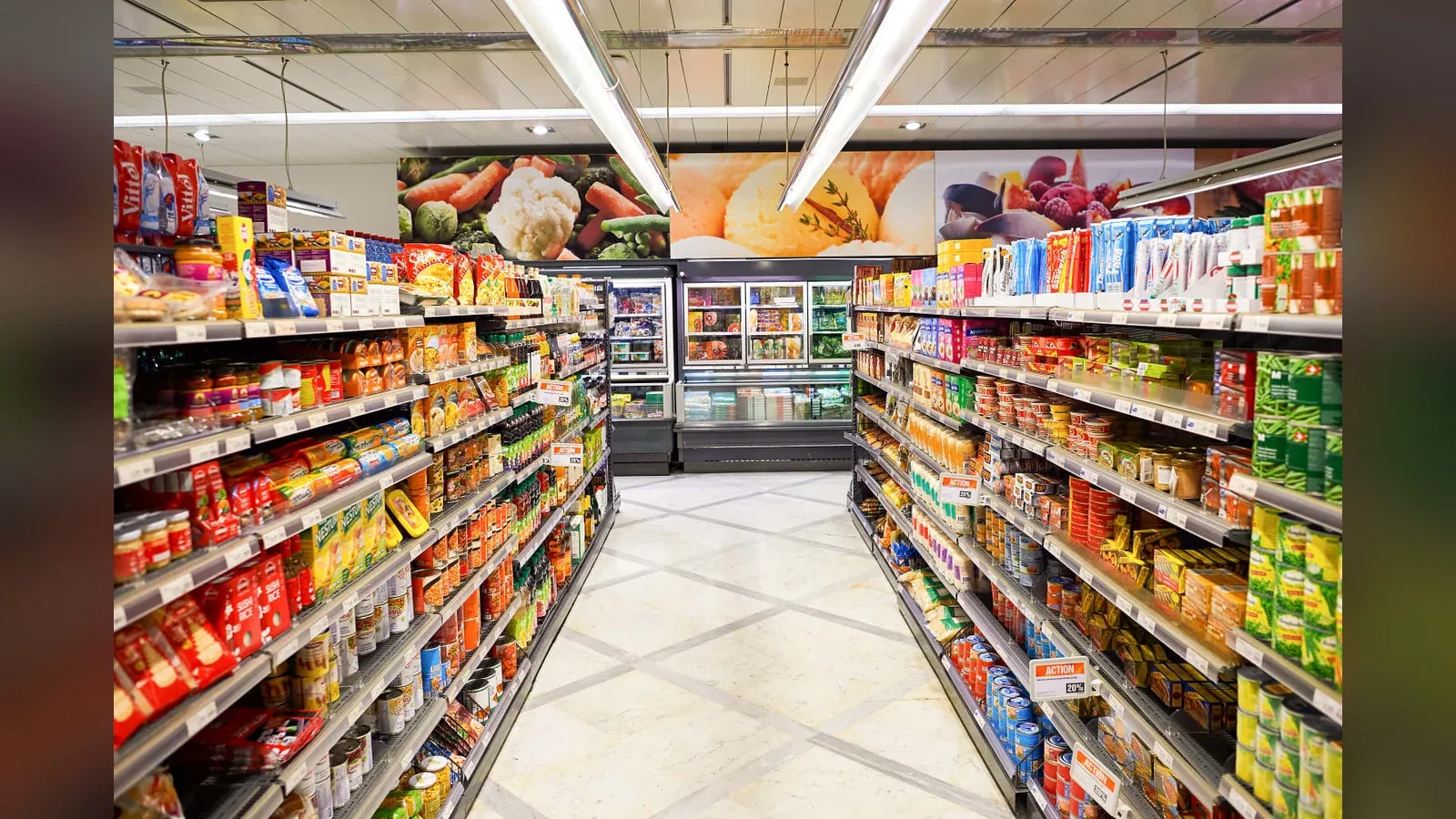
The statistics agency reports an inflation rate of 4%, but you see grocery prices rising by 50%. There’s a clear reason for this discrepancy—it’s not that someone is lying.
The CPI measures an average basket of goods
The Consumer Price Index tracks the prices of a fixed basket of goods and services, with weightings that reflect the spending patterns of the average household. This basket includes food, housing, transportation, health care, education, and recreation.
The problem is that no one spends money the same way as the average household. City renters experience inflation very differently from homeowners in rural areas. Students are different from retirees.
Why do our perceptions always run higher?
- Since you buy groceries every week, you remember the prices clearly; but the annual insurance premium, paid just once a year, fades from memory
- Price increases stick in your memory longer than price decreases
- Items that make up a large portion of your budget—such as housing—are things you rarely buy new, so you don’t feel the impact directly
Two terms that should be distinguished
Headline inflation includes everything, including food and energy. Core inflation excludes those two categories because they fluctuate significantly due to weather and geopolitical factors.
Central banks look at the core figures when making interest rate decisions, because they can’t combat a drought with monetary policy. Your wallet, on the other hand, is affected by the total figure.
What can we learn from this?
Don’t use the CPI to gauge your own financial situation—track your own biggest expenses instead. But when reading news about interest rates or policy, the official figures are what decision-makers are looking at.
Thảo luận