

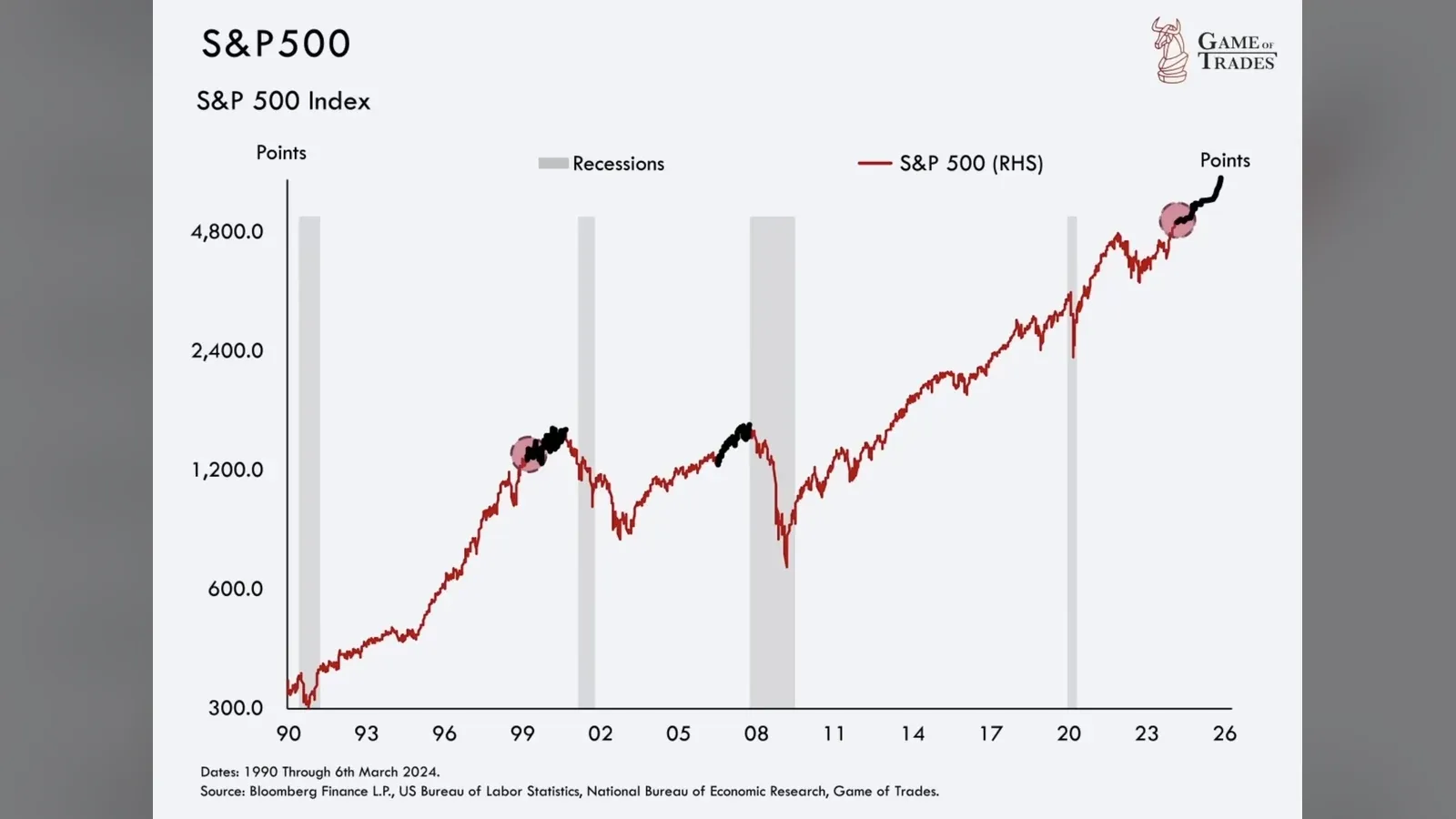
The question "Is AI a bubble?" is framed incorrectly. History shows that infrastructure and technology bubbles are not mutually exclusive—they are often one and the same.
Repeating Patterns
The British railways of the 19th century, electrification in the early 20th century, and fiber-optic cables in the late 1990s all went through the same four stages: the technology proved its worth, capital poured in at a rate far exceeding existing demand, asset prices crashed and many investors lost everything, and then the infrastructure that had been built remained in place and was exploited by subsequent generations at a fraction of the cost.
Fiber-optic cables are the clearest example: many companies went bankrupt, but the cables they buried underground laid the foundation for all online services in the following decade.
Similarities with the present
- Investments in data centers and chips far outpace application revenue
- Many companies are valued based on their narrative rather than their cash flow
- The cost per unit of computing power is falling rapidly, making the investment calculation difficult
Elsewhere
Rail tracks have a useful life of fifty years, whereas the value of accelerator chips depreciates much more quickly. This means that if demand slows down, the excess inventory this time around won’t sit on the market for as long as fiber-optic cable did. That’s why historical comparisons shouldn’t be applied mechanically.
What can I take away from this personally?
Two things can be true at the same time: this technology is truly changing the way we work, and most of the companies raising capital around it will not survive. For technical professionals, the practical implication is to invest in tool proficiency—which stays with you—rather than in a specific platform.
Thảo luận