

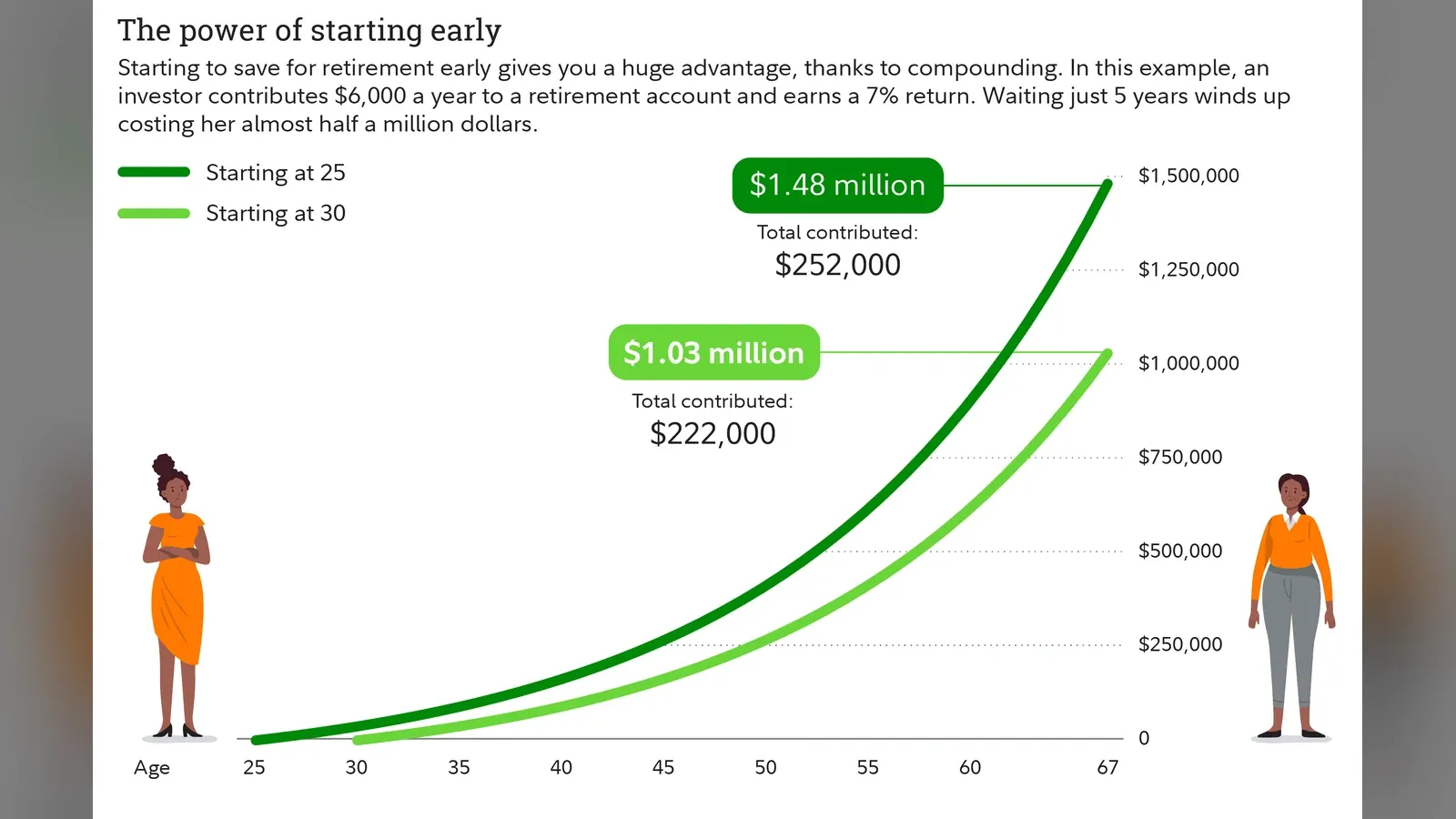
Compound interest is often called the eighth wonder of the world. What’s less often mentioned is that inflation works exactly the same way but in the opposite direction, and it affects every penny you hold—even money that isn’t invested.
Rule of 72
Divide 72 by the annual percentage rate to find the number of years it takes for the value to double or halve.
- 8% interest per year — your money doubles in about 9 years
- 6% annual inflation — purchasing power is halved after about 12 years
This rule is accurate enough for quick mental estimates, and it shows why a difference of just a few percentage points can be so significant over the long term.
Only real yields matter
A 6% savings account in a 5% inflation environment yields a real return of about 1%. A 3% savings account in a 1% inflation environment yields a real return of 2%—which is much better, even though the nominal figure sounds less impressive.
A common mistake is to compare nominal figures across periods with different inflation rates.
Three Practical Consequences
- Cash sitting idle is steadily losing value. Keep enough of a contingency fund, but holding too much is a costly decision
- Time is more important than the amount of money. Starting ten years earlier with a small amount usually beats starting later with a large amount, because it allows for more opportunities for the money to double
- Fees also compound exponentially. A 1% difference in management fees each year erodes a significant portion of your assets after a few decades—it eats away at them through the very mechanism of compound interest
This is math, not investment advice. But it’s important to understand these numbers before taking any advice.
Thảo luận