

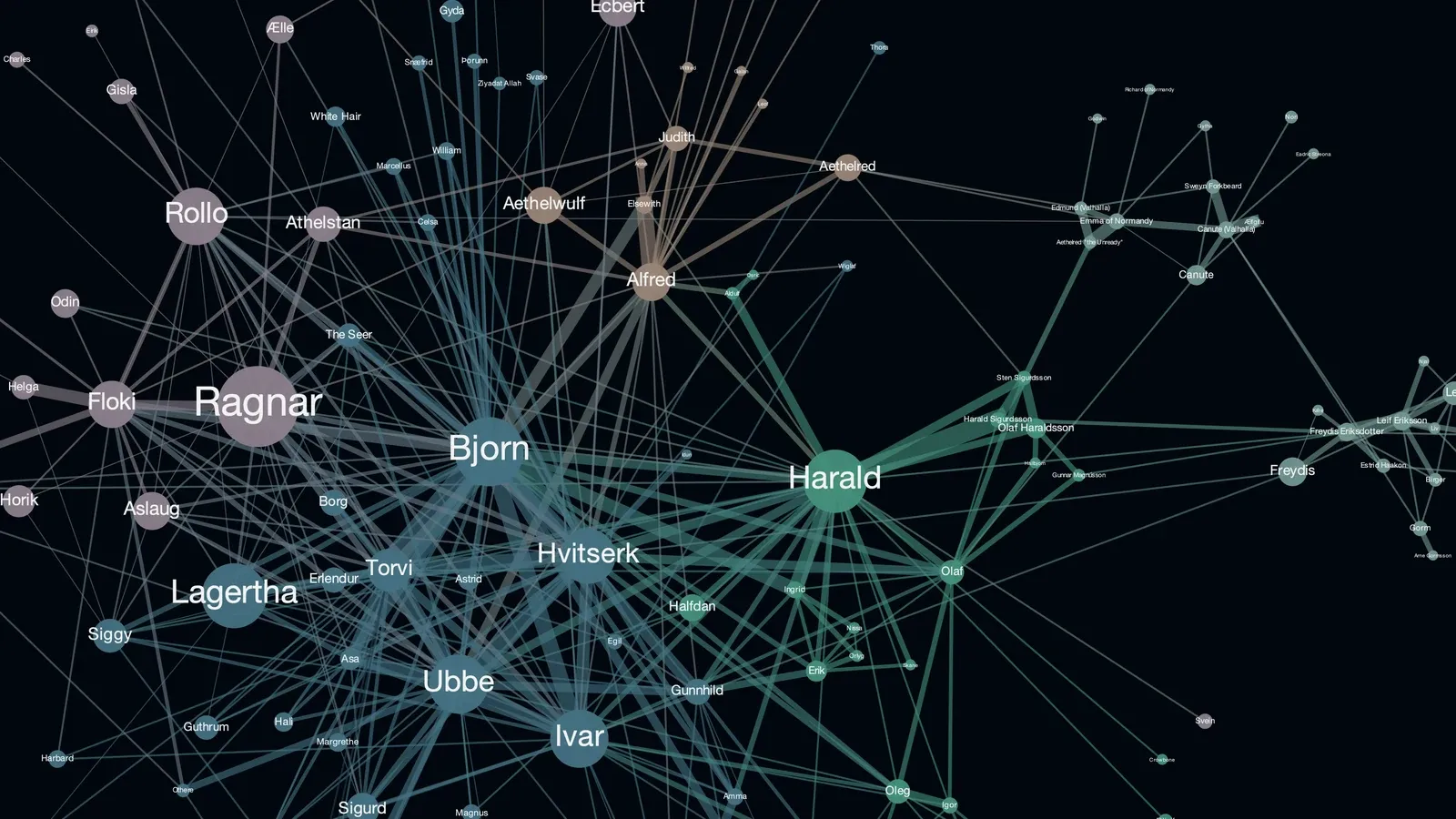
A single phone without a network connection is useless. Two are useful. A million become social infrastructure. The value lies not in the product itself but in the number of people using it—that’s the network effect.
Four Common Types
- Direct — users contribute to making the product better for all other users, such as a messaging app
- Indirectly — two groups attract each other, such as buyers and sellers on a marketplace
- Data — the more users there are, the more the product learns and the more accurate it becomes
- Ecosystem — a large user base attracts developers to create extensions, and those extensions, in turn, attract even more users
What Leads to Natural Monopolies?
As value increases with the number of users, the market leader pulls even further ahead. Even a competitor with a product that’s 20% better will still lose, because users stay where their friends are. The cost of switching isn’t about the product—it’s about the community.
But it isn't sustainable forever
The network effect has been disrupted in several ways, as observed on multiple occasions:
- The shift in platforms—from computers to smartphones—is when many things once thought untouchable lose their place
- Saturation and noise—overcrowded networks breed spam and junk content, causing the marginal value of new users to turn negative
- Segmentation into groups — smaller communities choose specialized tools that better suit their needs
- Interoperability regulations — forcing networks to communicate with one another significantly reduces the scale advantage
For users, the practical lesson is this: the value you get from a platform comes from the community there, while your data is something you should be able to take with you.
Thảo luận