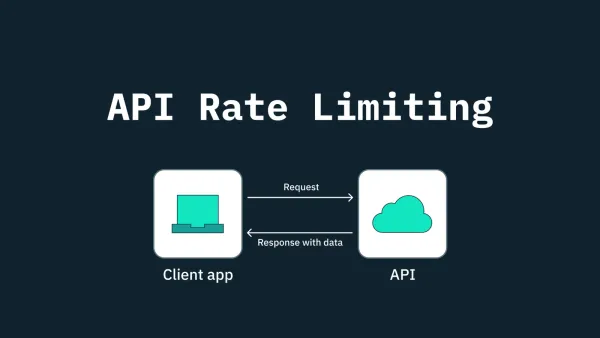
Algorithms Frequency limit: token bucket or sliding window Four common algorithms, each of which allows for a different type of explosion. Choosing the wrong one results in either a false positive or a false negative.
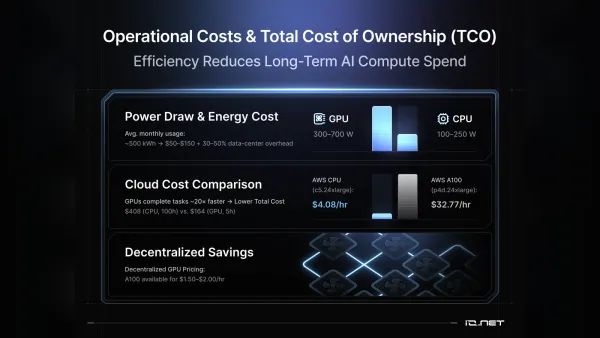
AI Running a language model on a home computer: What hardware is required? Memory estimation formulas, the significance of quantization levels, and realistic expectations regarding speed.
Economics The Economics of a Token: The True Cost of Running AI at Scale The unit price may seem low, but the cost structure of AI products is vastly different from that of traditional software—and it changes the business model entirely.
Economics Bubble or Infrastructure Cycle: Viewing the AI Craze Through the Lens of History Railroads, electricity, fiber-optic cables—every infrastructure boom follows the same pattern. The lesson isn’t about right or wrong, but about who bears the losses.
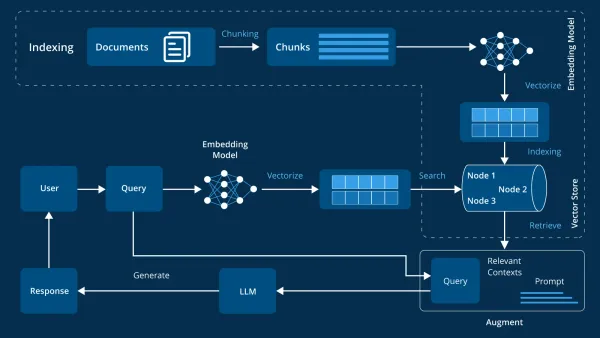
AI RAG in Practice: Architecture and the Most Common Failure Points Combining search with a simple audio language model. Most systems fail at the search stage, not the text generation stage.
AI Seven Common Misconceptions About Language Models Most of the misconceptions about AI stem from viewing it as a talking database. It is not.
AI AI in Cyberattacks: The Real Threat and How to Defend Against It Language models do not create new types of attacks, but they lower the barrier to entry and increase the scale of attacks. Defenses must adapt to address these two specific points.
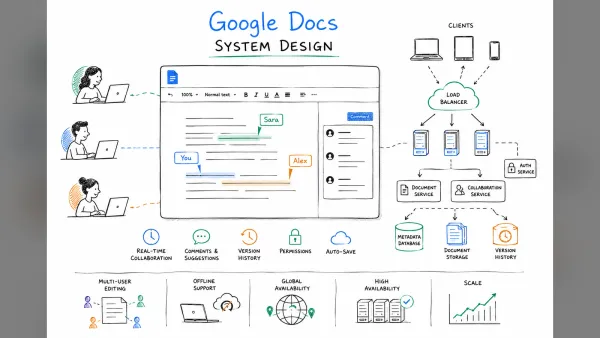
Algorithms CRDT: Multiple people can edit at the same time without anyone needing to mediate A data structure that allows multiple people to edit simultaneously, even when the network is down, and then merge their changes without the need for a mediator—explained using examples such as shopping lists, counters, and text editors.