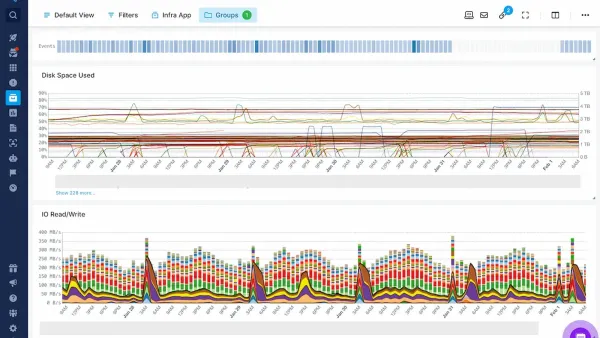
Economics Inflation Through the Lens of the Consumer Basket: What the CPI Measures—and What It Leaves Out The monthly inflation figures that are released often differ from your own perception. Neither is wrong—they measure two different things.
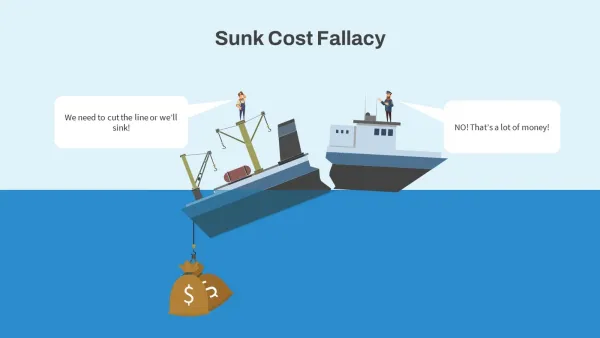
Economics Sunk Costs: The Trap That Makes You Hold Onto Something That’s Broken Money that’s already been spent can’t be recovered, so it shouldn’t factor into future decisions. Even though people know this, very few actually do it.
Operating systems Containers Are Not Virtual Machines: Namespaces, cgroups, and the Illusion of Isolation A container is simply a process that is often isolated from the rest of the system. Understanding this means understanding its security limitations.
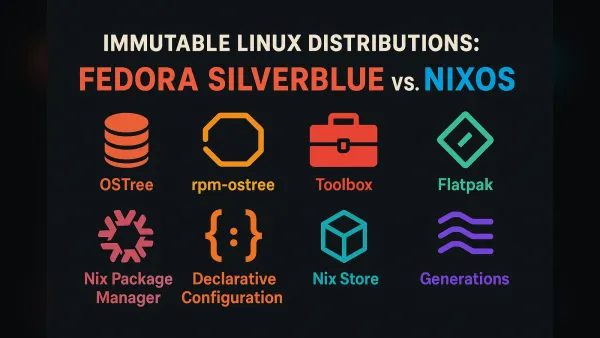
Operating systems Immutable Operating System: When You Are Not Allowed to Modify the System System directories are read-only; updates are applied as a whole, and if they fail, the system reverts to the previous version with a single reboot. The trade-off is convenience.
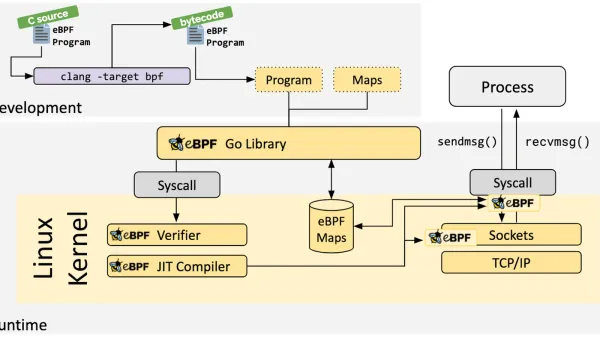
Operating systems eBPF: A Peek Inside the Linux Kernel Without Modifying It Load a small program that runs directly in the kernel—it’s safe and requires no reboot. This is the biggest change in Linux over the past decade.
Operating systems io_uring: Why is this I/O model significantly faster than the old method? Instead of calling the system for each operation, the program and the kernel communicate through two shared buffers. The number of context switches is significantly reduced.
Operating systems Wayland Replaces X11: What's Really Changing Under the Hood It’s not just a new protocol. Wayland completely does away with the thirty-year-old intermediary server model, along with the way applications share the screen.
Programming languages Zig and the Philosophy of No Magic All assignments are explicit; there is no operator overloading and no hidden control flow. This is an approach that goes against the prevailing trend.
Programming languages WebAssembly Outside the Browser: Safely Running Untrusted Code Although it was created for the web, WebAssembly is currently most useful on servers and in plugin systems.
Algorithms HNSW: How to Find the Nearest Neighbor Among Millions of Vectors All vector databases are based on this concept. Understanding it means understanding why semantic search is both fast and not absolutely accurate.
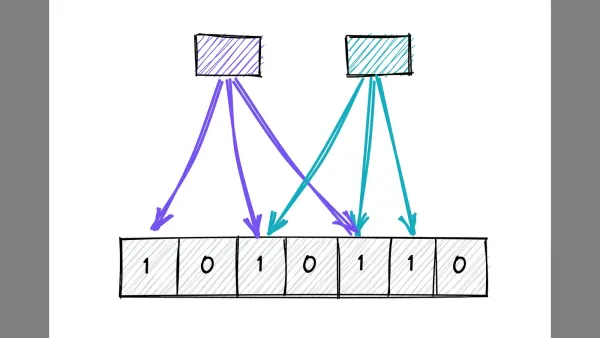
Algorithms Bloom filter: returns "definitely not present" using just a few bits A "safe" false-positive structure: it may falsely report something as present, but it never fails to detect what is actually there.
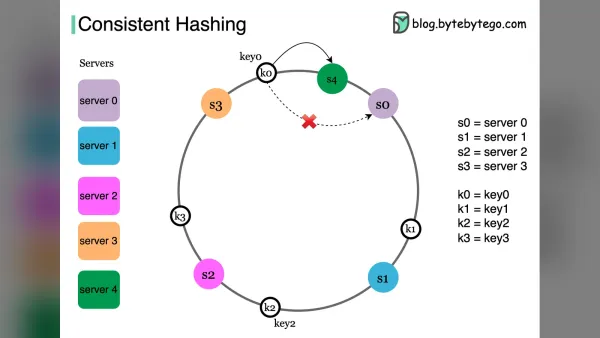
Algorithms Consistent hashing: Adding or removing servers without disrupting the entire dataset When dividing data using modulo division, adding a single machine requires transferring almost all of the data. Hash tables solve exactly that problem.
Software Self-hosted service: you have control, but it takes up your free time Setting up your own service is cheaper than a subscription and offers more privacy. But the real cost is that no one sends you a bill.
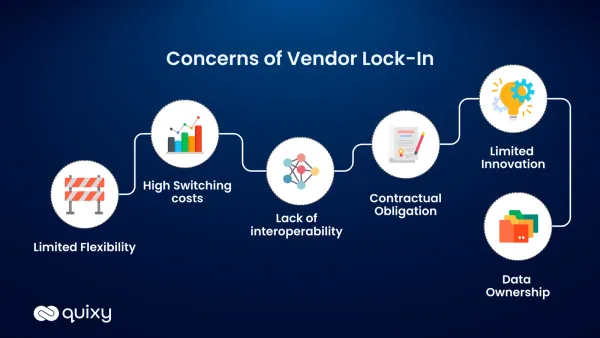
Economics Open Formats and Vendor Lock-in: The Cost of Switching No one chooses a tool with the intention of abandoning it. But the cost of leaving should be factored in from day one.
Programming languages Rust: What problem does ownership solve that garbage collection cannot? It's not about speed. The key is to catch an entire class of errors at once during compilation.
Programming languages Rust in the Linux Kernel: Why This Matters Most critical kernel vulnerabilities stem from memory errors. Introducing a memory-safe language addresses the root cause.
Programming languages Go or Rust for Network Services: Which Criteria Should You Use to Choose? Both compile to machine code and are suitable for the service. The key difference lies in tail latency and the speed at which new users can get started.
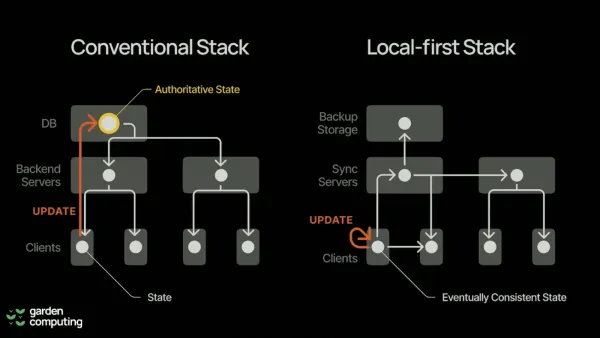
Software Local-first: Your data is on your device; the cloud is just a copy A design trend is making a comeback: apps that work just fine without an internet connection, where synchronization is a feature—not a requirement.
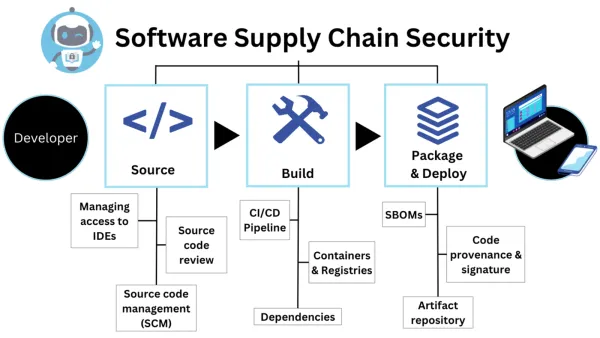
Programming languages Software Supply Chain: Why a Small Package Can Bring Down the Entire System A modern project brings with it thousands of indirect dependencies. Each one is a gateway you’ve never considered.
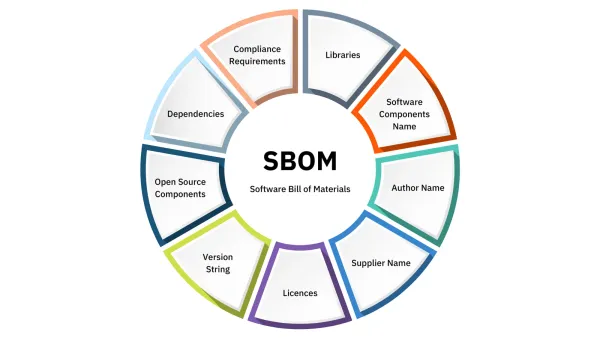
Programming languages SBOM and Digital Signatures: Know Exactly What’s in Your Product Software composition inventories are becoming mandatory in many places. They are not just paperwork—they are incident response tools.
Software Onikey: a Vietnamese input method for Linux with a core written in Rust Introduction, installation instructions for IBus and Fcitx5, useful features, and how to troubleshoot common issues.
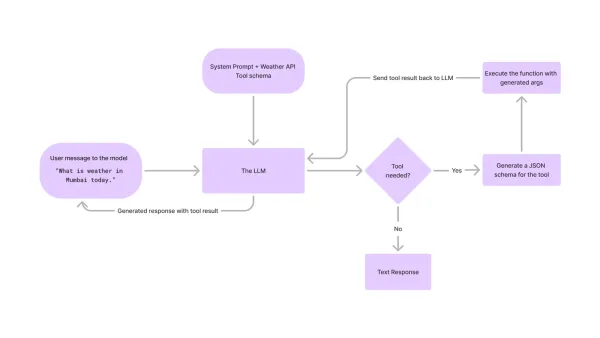
AI Agents and tool usage: Why it’s much harder than chatbots For the model, calling the listening tool is like adding a feature. In reality, it completely changes the problem from text generation to a distributed system with faults.
Economics Network Effects: Why Does the Tech Market Often End Up in the Hands of a Single Player? The more people use a product, the more valuable it becomes. This mechanism explains both its dominance and its downfall.
Economics Compound Interest and Inflation: Two Opposing Forces Acting on the Same Amount of Money One grows exponentially, while the other diminishes exponentially. The only thing that matters is the difference between the two.
Economics The Opportunity Cost of an Engineer’s Time: Do It Yourself or Buy It Off the Shelf Doing it yourself seems cheap because there’s no invoice. When you factor in the engineer’s hourly rate and spread it over five years, the break-even rental price is much higher than you’d intuitively expect—and here’s how to calculate that figure yourself.